What your water heater noise means
Water heaters are built to operate almost silently. Knocking, whistling, or boiling sounds indicate mechanical stress or sediment buildup that can crack your tank if left unchecked.
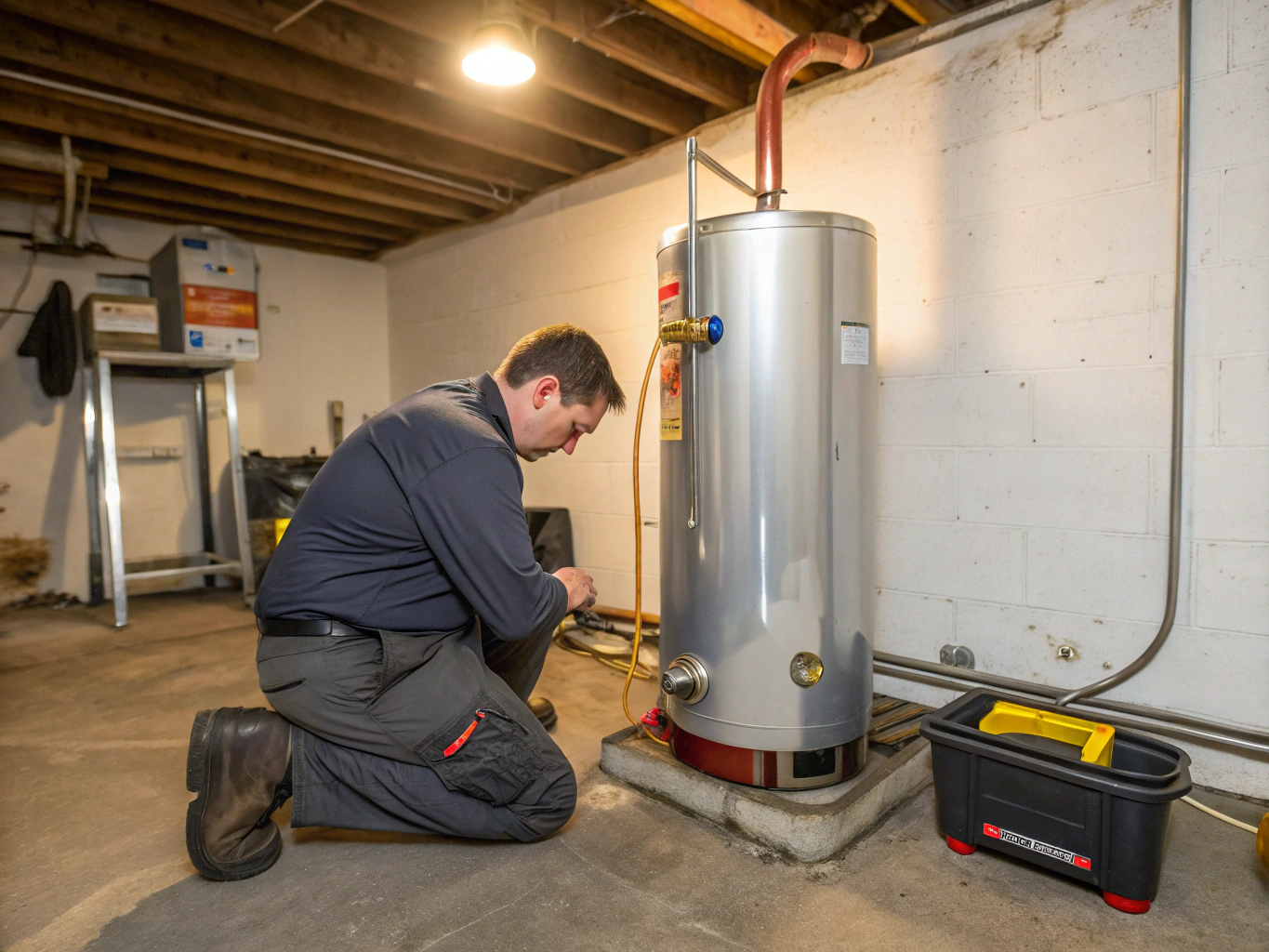
Fast Henry County Service
Accurate leak & sound inspection in Stockbridge, McDonough, and surrounding areas.
Common sounds and urgency levels
Listen to where the sound originates to determine how fast you need a plumber.
Stockbridge Plumbing Pros Field Guide
Not sure which noise your unit is making?
We check pressure regulators, flush tank sediment, and test heating elements across Henry County.
Listen to your pipes before they break
Unusual noises are your plumbing system's earliest distress signal. Catching a problem while it is just a sound saves thousands compared to cleaning up a flood.
Loud banging or slamming in walls
Cause: Water hammer & severe pressure spike
Danger: Ruptured joints and sudden wall flooding
Next step: Shut main water valve and call immediately
Hissing or whistling behind appliances
Cause: High-pressure pinhole leak or gas line issue
Danger: Structural decay or explosive gas risk
Next step: Evacuate if gas is smelled, or shut supply valve
Popping or deep rumbling in water heater
Cause: Sediment trapping superheated steam
Danger: Tank rupture or complete element burnout
Next step: Turn off heater power/gas and request dispatch
Gurgling from multiple floor drains & toilets
Cause: Main sewer lateral blockage
Danger: Raw sewage backup through showers and sinks
Next step: Cease all water usage and call for main line clearing
Continuous faint trickling in toilet bowl
Cause: Worn flapper or misaligned fill valve
Impact: Wasting up to 200 gallons of water daily
Next step: Schedule a standard toilet overhaul
Whistling when a single faucet runs
Cause: Worn aerator, mineral buildup, or loose washer
Impact: Gradual fixture wear and restricted flow
Next step: Schedule routine faucet maintenance
Slow clicking behind pipes after hot water runs
Cause: Normal copper pipe expansion against wood studs
Impact: Usually benign friction wear over years
Next step: Monitor during your next annual plumbing check
Occasional mild hum from disposal
Cause: Minor food debris caught on impeller plate
Impact: Motor strain if left unaddressed
Next step: Schedule disposal inspection or reset clearing
A $150 fix today stops a $4,000 restoration next week
Plumbing components rarely fail without making noise first. Water hammer shakes drywall joints loose, tank sediment insulates heat until the steel splits, and gurgles warn that sewer gas is about to push past your trap seals. Fixing the acoustic symptom prevents the catastrophic water bill.